As we turned left out of the entrance hall and down a narrow corridor, I involuntarily blurted: “Oh my god.” The smell was horrific, like raw sewage, sharp in my nostrils. The walls were stained a mosaic of browns, blacks and yellows. They were as wet as the floor, sweating a dark liquid, droplets of murky water weaving and gathering in pools at our feet. Mehdi had said in his email that he felt he was dying, the home he lived in slowly killing him. He was not exaggerating.
The walls were crumbling. Mehdi delicately peeled off wet plaster – layer upon layer falling away like papier-
mâché. When I asked how long the flat had been like this, Mehdi ran his hand across the wall outside the bathroom and showed me his palm – it was completely covered black, dripping.
“A good six or seven years now,” he replied. “I don’t feel like even going in there because it stinks. I’m making myself more dirty, rather than cleaning myself.”
Inside the bathroom, white walls were stained with dark mould spores, the air thick with damp, the stench unbearable.
“I have told them about 25 times. Every time they come and go and every time I ring them back, and they just say the work has been completed, “we’ve found the leak”. It doesn’t feel like I’m living in London, in the United Kingdom. It’s making me crazy. And I just simply don’t know what to do.’
Read more:
Advertising helps fund Big Issue’s mission to end poverty
At the start of 2021 both social services and Citizens Advice made representations to Lewisham Homes to move Mehdi out. A report by an occupational therapist stated the flat was a fire risk due to the electrics under the leaks. Watching Mehdi hunched over a walking frame, coughing up his lungs, water falling on his back as he dragged himself onto the sofa to hook himself up to breathing equipment, he looked broken.
After we published our report, Mehdi was moved out and Lewisham Homes apologised. Their own assessment found the flat was not fit for human habitation. Mehdi’s was one of the worst I have seen in the past five years reporting on the housing crisis, but it was not a one-off.
The findings of our investigation led to a change in the law for social housing tenants: their rights strengthened with more regulation of the landlords leaving them in squalor. But five years on, the emails keep coming, not just from social housing tenants but homeless families stuck in temporary homes, unable to afford private rent, unable to get a social home.
You can drown in the statistics: 1.3 million on the social housing waiting list, 176,000 homeless children, £4 million spent per day by London councils alone on temporary accommodation. Each stat is not just a story, but a stain, on any country purporting to be decent and civilised.
There is hope, there has to be. But it will take more than tinkering around the edges of rights and regulations and rental reform. As important as they are, what is required is a major shift in the priority politicians give housing. We cannot tackle poverty, social and generational inequality, poor health outcomes, an ever-
burgeoning welfare bill, sluggish economic growth, falling fertility rates, public apathy and the rise of extreme political alternatives without addressing the biggest long-term social issue in Britain today.
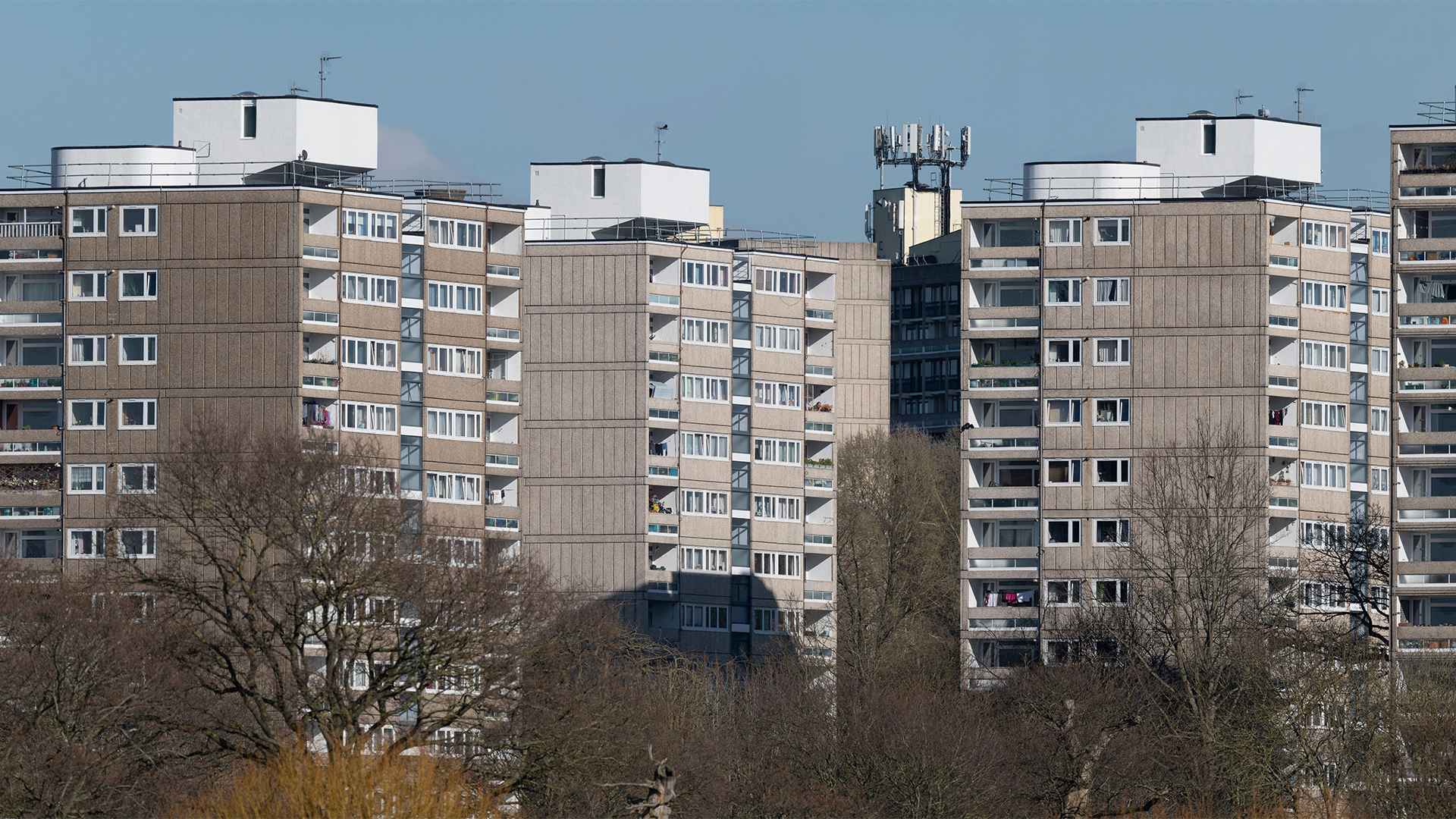
And that can only happen, I have concluded, by building social housing. The selling off of social homes since the 1980s without replacing them has pushed people into a private rental sector they cannot afford, tipping them into homelessness, keeping them trapped into ageing and, in some cases, unsafe social housing stock that needs to be replaced. Britain needs truly affordable housing, and only the state can make that happen. The market has proven, since Thatcher, that it is not going to provide homes for everyone who needs one. Why would it?
Advertising helps fund Big Issue’s mission to end poverty
Successive UK governments have retreated from their basic duty to look after citizens, by failing to ensure there are enough safe, decent places for them to live. That is the root of so many of our current ills. Only a major programme of state-led housebuilding can end the crisis. Or will we just keep on driving, waiting for another disaster?
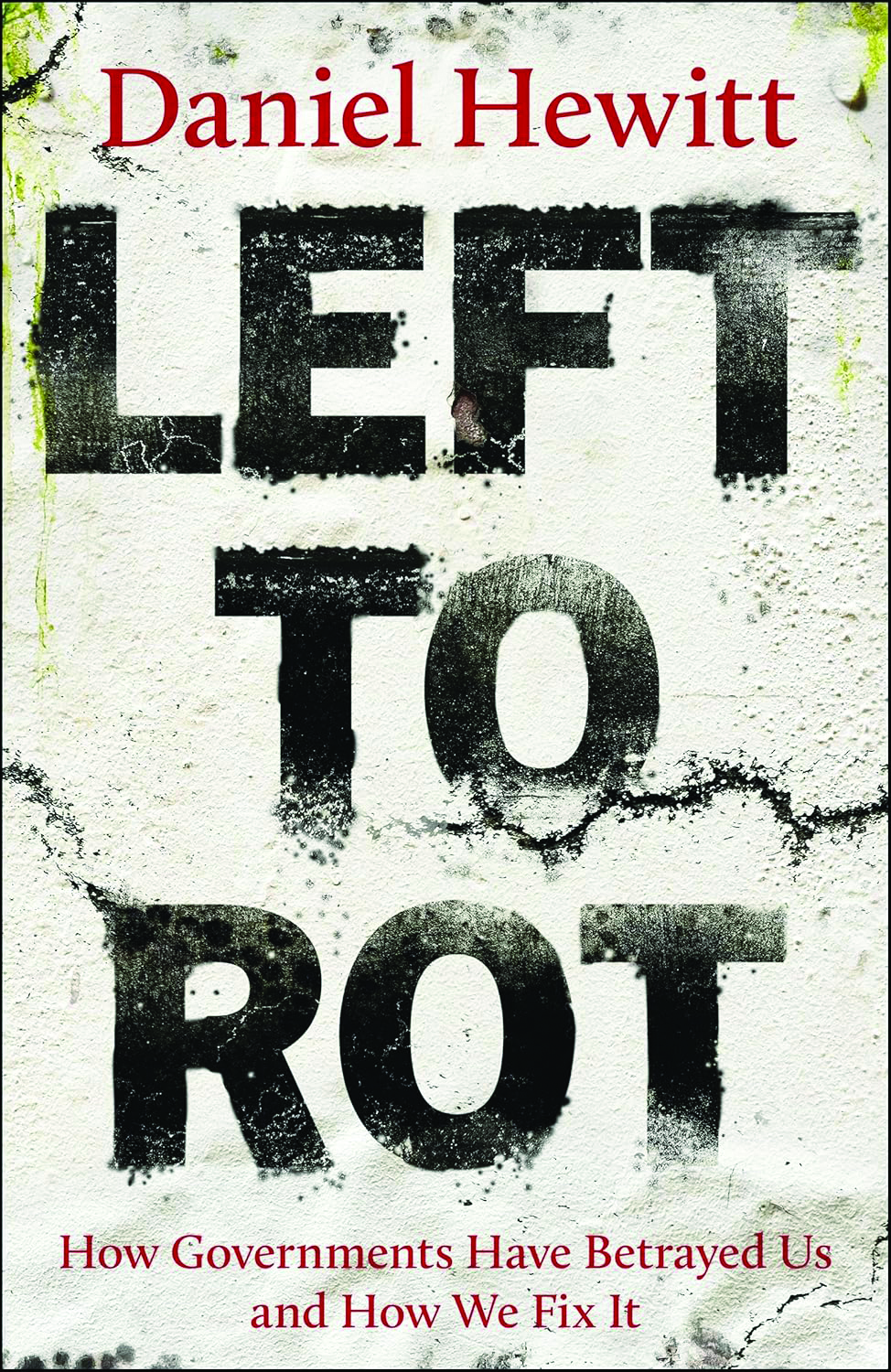
Left to Rot: How Governments Have Betrayed Us and How We Fix It by Daniel Hewitt is out now (Policy Press, £19.99). You can buy it from the Big Issue shop on bookshop.org, which helps to support Big Issue and independent bookshops.
Do you have a story to tell or opinions to share about this? Get in touch and tell us more.
Change a vendor’s life.
Buy from your local Big Issue vendor every week – and always take the magazine. It’s how vendors earn with dignity and move forward.
You can also support online:
Subscribe to the magazine or support our work with a monthly gift. Your support helps vendors earn, learn and thrive while strengthening our frontline services.
Advertising helps fund Big Issue’s mission to end poverty
Thank you for standing with Big Issue vendors.