Having grown up in East London in a working-class family, I was already familiar with Ilford and its history, so I was very interested to be part of Alan Abraham’s Transitions project. Alan had no such familiarity and came to the area with fresh eyes and no preconceived impressions. He saw a very different place to the one I thought I knew.
With his films and music, he drew out of each participating poet subtle and sometimes profound impressions of what at first glance appears to be just another gritty Greater London environment.
Although primarily focused on the built environment, the films served to direct our attention back to what is always the most important part of any urban landscape: the people who inhabit it. Their private thoughts, hopes, struggles, fears and identities and cultures.
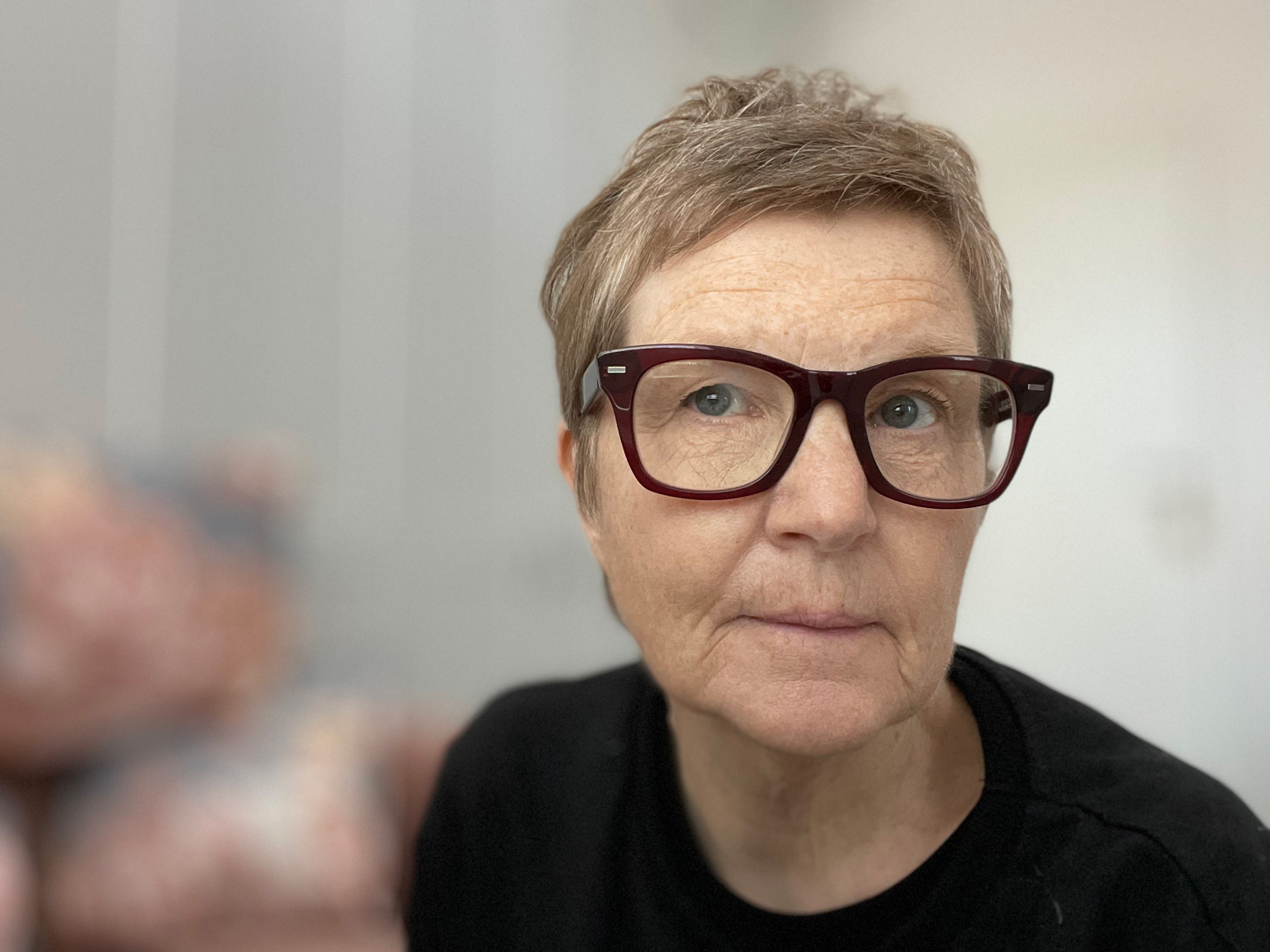
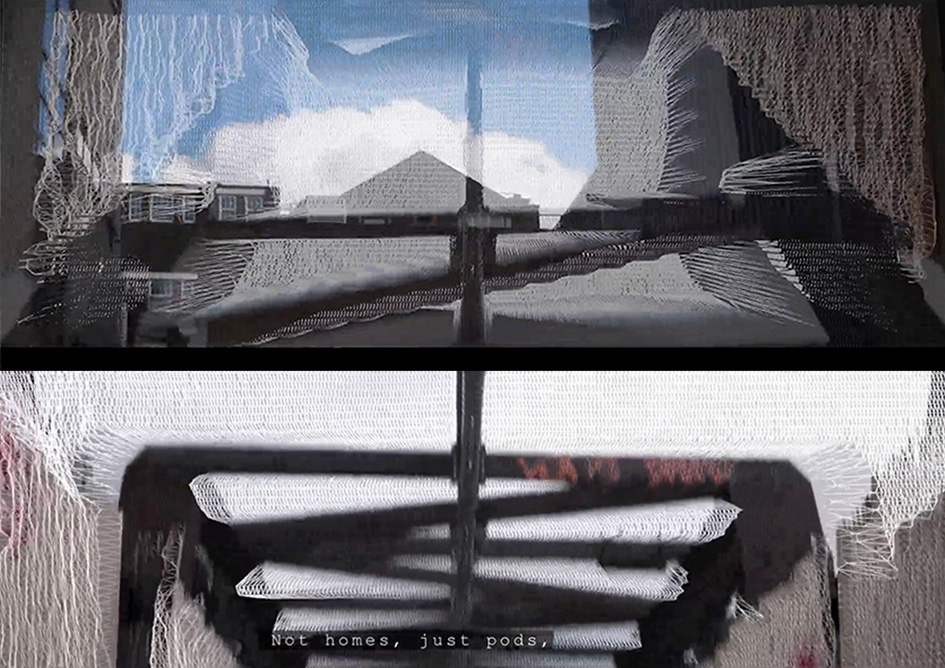
Like many other parts of Greater London, Ilford and the surrounding area has seen rapid change and development in recent years, not all of it good. I express this thought in my poem Tetra Paks, named after the brand who create shelving unit shaped food and drink cartons and the idea that homeless shelter accommodation as well as contemporary housing – or ‘pods’ as I refer to them in my film – are created as Tetra Pak-style cartons, to be shelved efficiently instead of to create long-lasting and affordable homes.
Towers of soulless (and expensive) apartment buildings have sprouted around the town centre and are at odds with the more human scale of the early 20th century terraced streets.
Up until Margaret Thatcher’s government introduced the Right to Buy scheme in 1979, Ilford had been rich in good quality, affordable social housing, like the homes I was brought up in. Within seven years, a million council homes passed into private ownership. The resulting property boom of the 80s and 90s opened the door to grabby landlords and profiteering private property developers, depriving working people of assured housing and forcing councils to rent back their own properties to house the resultant homeless or those facing financial hardship.