Keir Starmer launched Labour’s local election campaign on 30 March, pledging to ‘bear down on the cost of living and address soaring household bills’ – a promise also made by the Conservatives, Lib Dems and Greens. There seems little doubt that May’s elections are being fought on the cost of living – and renters are a key voter group.
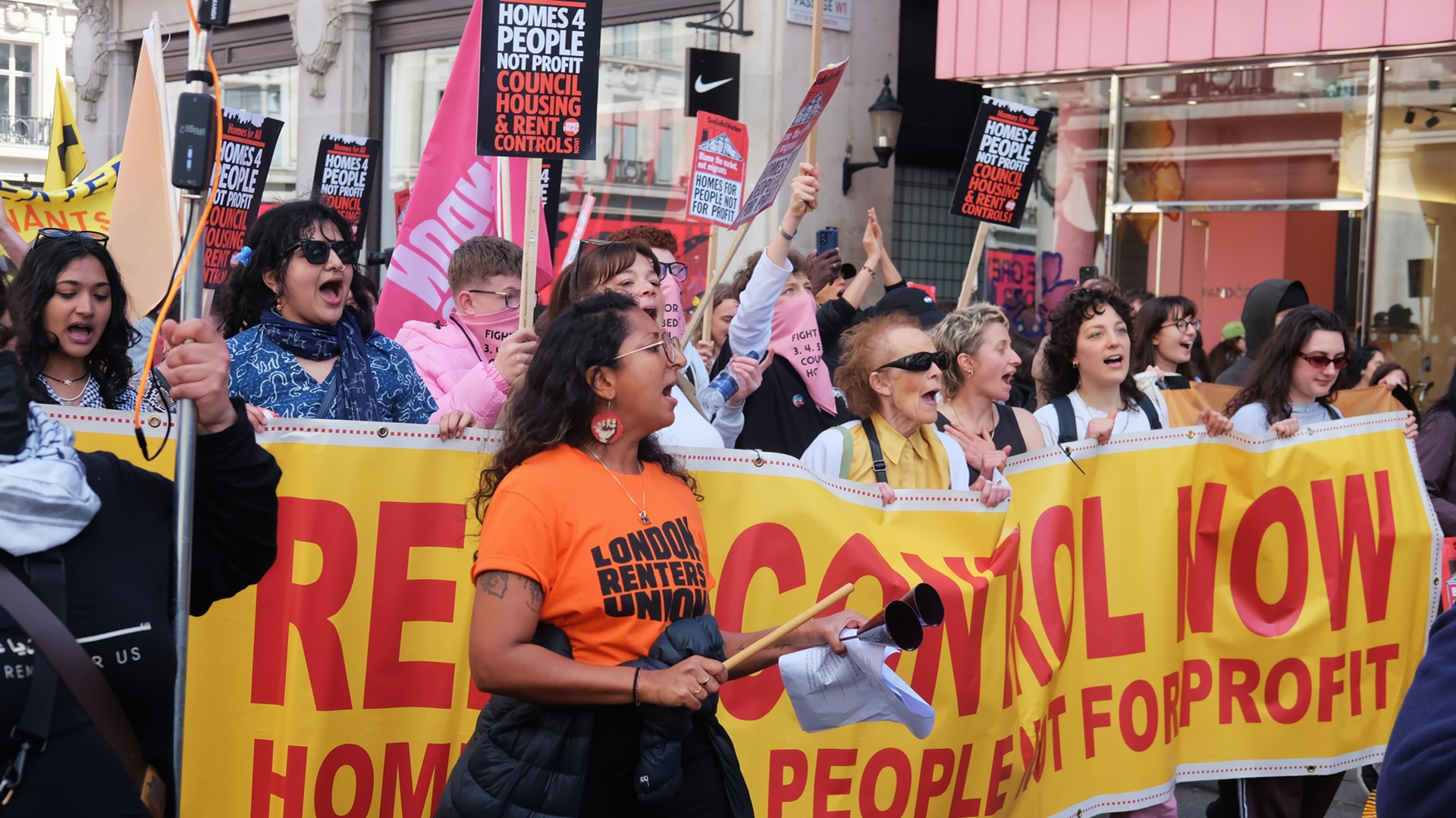
One in five of us are renters, and for about a third of us rent swallows up over half of our income. If anything is piling on the financial pressure during a cost-of-living crisis, it’s our landlords. The major parties know this, and that’s why housing has become a key battleground.
In England’s local elections the Greens are targeting Labour’s urban voters, calling for more social housing and for councils to get devolved rent control powers to curb rampantly rising rents.
Meanwhile in Scotland – which already has a rent control policy in place – the SNP are pledging to give tenants right of first refusal if their landlord sells up, Labour promise to provide affordable ‘mid-market’ homes to rent, and the Scottish Greens want to expand and strengthen Scotland’s rent control schemes.
In Wales, Plaid Cymru are offering a cap on rent increases linked to inflation or wage growth while the Greens propose a rent freeze, with both committing to new renters’ rights and to end section 21 evictions in Wales.
It’s quite possible that after May 7, England will be the only country in Britain not to have a government backing some form of rent stabilisation measure.