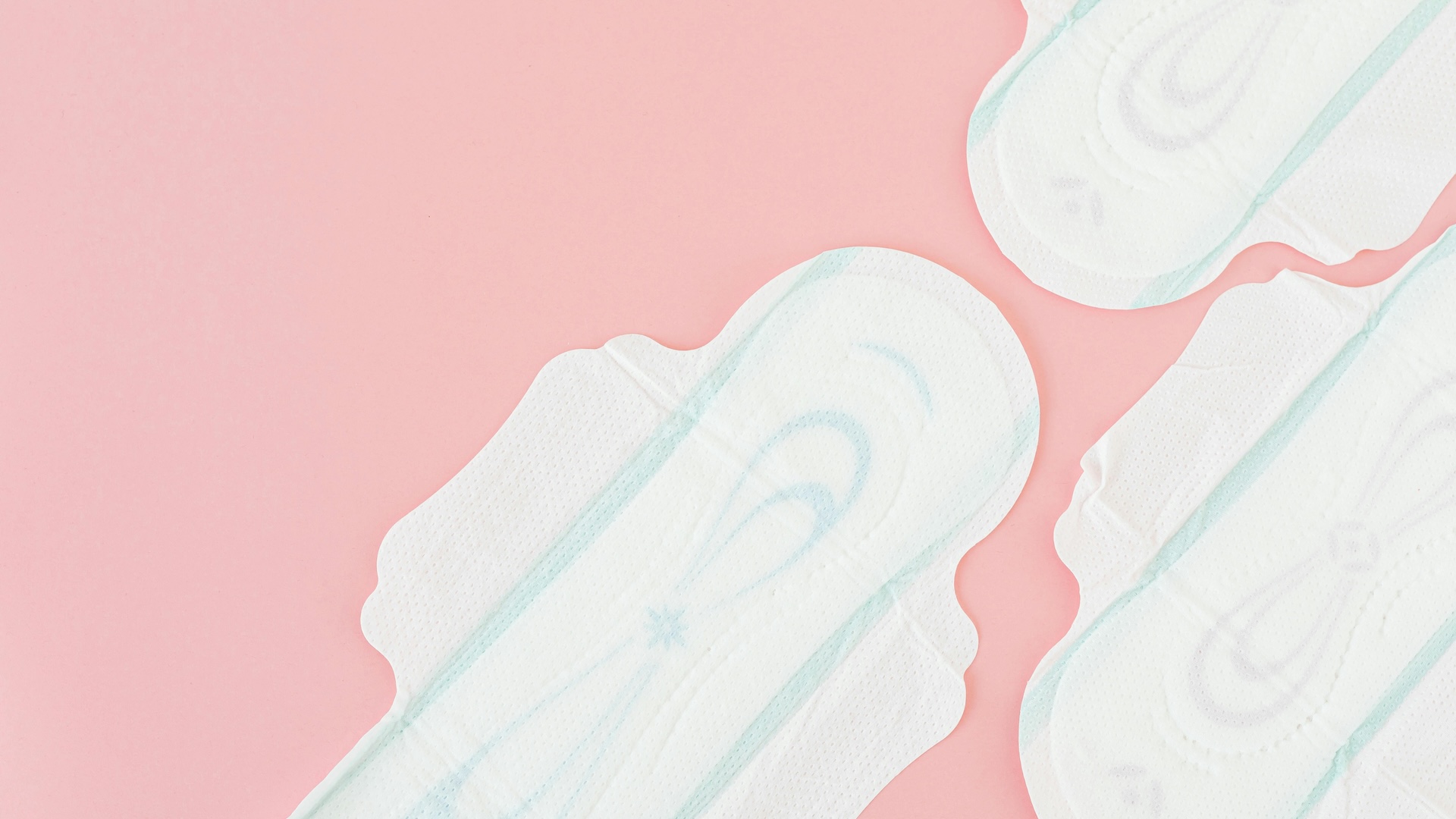
More than a third of those who couldn’t afford products said they wore pads or tampons for longer than recommended, increasing the risk of infection. Others turned to makeshift alternatives, with data showing 27% using tissues or cotton wool, and 6% using paper or newspaper.
The survey revealed that period poverty is excluding some women from public life altogether. Almost a quarter of people who were unable to afford period products said they stayed at home as a result.
More than a third (35%) of respondents said they had missed or avoided exercising as a result of being on their period in the last year. One in 10 avoided going into work, and a similar number missed school, college or university. Nearly a quarter said they had avoided socialising.
Campaigners stress that no one should face barriers simply because of their period.
Ruby Raut, founder and CEO of WUKA, a reusable period underwear company, said: “I lived through period poverty myself over 20 years ago in Nepal, and it’s unacceptable that in 2026, this is still a reality.”
She added: “Access to period care is not a luxury; it’s a fundamental right.”
Advertising helps fund Big Issue’s mission to end poverty
Period poverty is not just being unable to afford period products, it’s also about lacking access to clean water, bathrooms, and private spaces.
More than 400 million children worldwide lack decent toilets at school, according to data from the WHO and UNICEF, and 220 million have no toilet at all. In humanitarian crises, women and girls who are displaced often face overcrowded conditions without basic hygiene facilities.
Despite this, all around the world, communities are coming up with their own solutions to combat period poverty, as well as the deep-seated structural inequalities that perpetuate it.
ActionAid’s local partners are setting up “girls’ rooms” in schools providing period supplies and running education programmes to tackle stigma and improve knowledge of menstrual health.
In Rwanda, the charity runs a summer camp for girls where they learn about their menstruation and health and how to make their own reusable period products.
Daniella, one of the more than 100 girls who attended the most recent camp in Nyanza, Rwanda, said the training would help girls like her who have experienced period poverty.
Advertising helps fund Big Issue’s mission to end poverty
Another student, Yvette, learning to make reusable pads offered a practical solution: “When girls have the power to choose things that benefit them, society functions better.”
ActionAid and period pants company WUKA have announced a partnership to raise awareness and push for change, with the goal that no one is held back because of their period.
Taahra Ghazi, co-CEO at ActionAid UK, said: “Everyone should have access to period products and hygienic spaces so they can manage their periods safely and with dignity, but millions of women and girls around the world, including here in the UK, experience the injustice of period poverty.”
Raut of WUKA added: “I’ve seen firsthand how deeply period poverty affects lives, and that’s why this partnership matters to me. I’m proud to be standing alongside ActionAid to demand period justice for all and to help bring about a world where menstruation is treated with dignity, and where sexual and reproductive rights are respected.”
To help support the fight against period poverty, find out how to donate to ActionAid here.
Do you have a story to tell or opinions to share about this? Get in touch and tell us more.
Advertising helps fund Big Issue’s mission to end poverty
Change a vendor’s life.
Buy from your local Big Issue vendor every week – and always take the magazine. It’s how vendors earn with dignity and move forward.
You can also support online: Subscribe to the magazine or support our work with a monthly gift. Your support helps vendors earn, learn and thrive while strengthening our frontline services.
Thank you for standing with Big Issue vendors.