Read More:
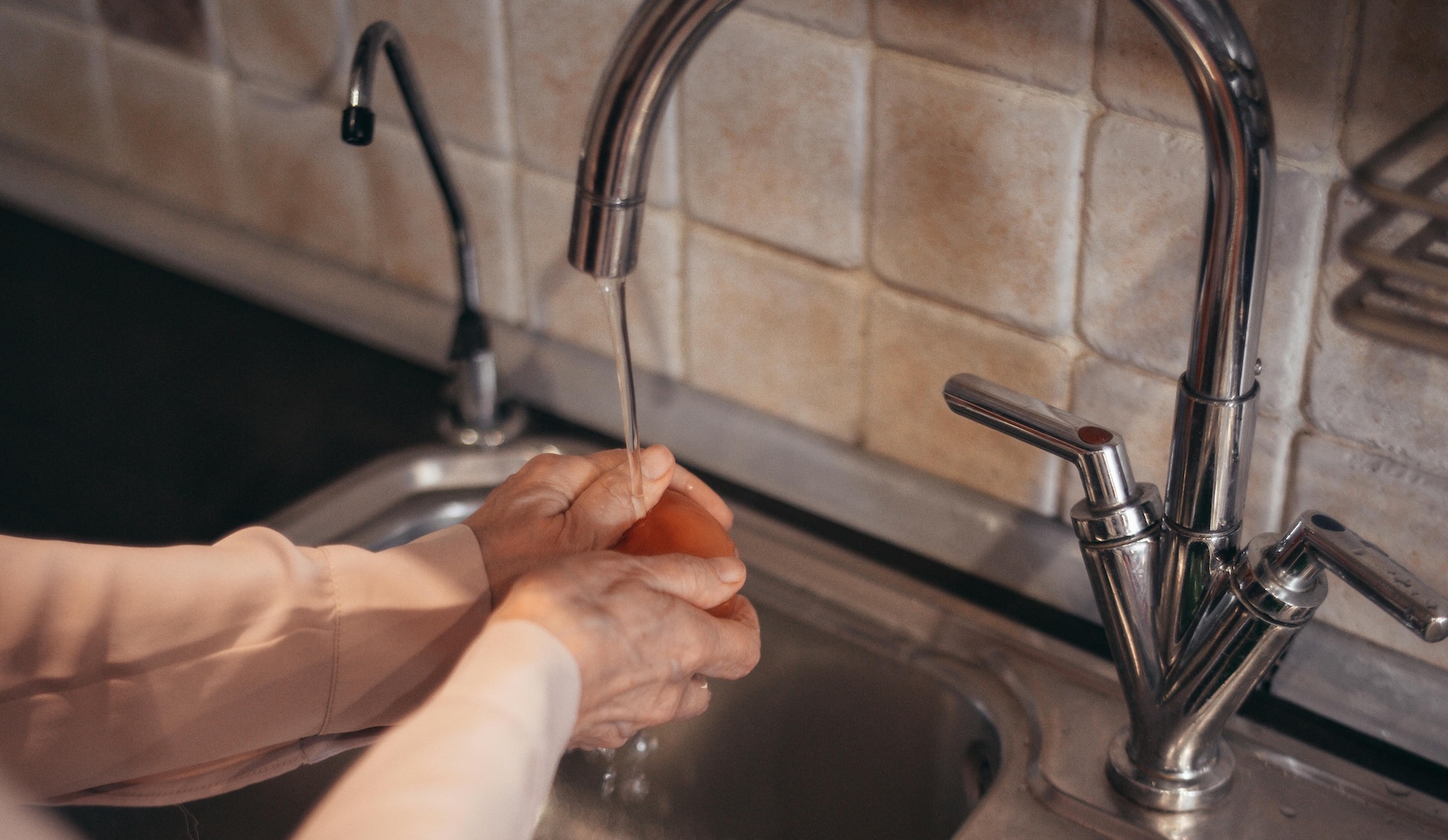
When Independent Age asked pensioners how they were cutting back, one in four (25%) of this group said they are spending less time in the shower, 22% are reducing toilet flushes, and 18% are reducing their use of the washing machine.
“I’m not doing my laundry at home,” said Howard, who lives alone. “Every month I go up to the laundrette. That’s a trek! It’s a bus ride away, and I’m getting on. It takes quite a chunk out of the day.”
“It’s another annoyance. It’s £10 at the laundrette, including drying, so whether I’m shooting myself in the foot or not I don’t know. But I’d rather it go to them than the water company, because at least they work for their money.”
Howard lives off the state pension, plus a small annuity she set up while running her own business: “I was working in organ-building, making wooden organs.” Of the £4,000 annuity, around a quarter goes in tax, while bills eat into the rest.
“Council tax has gone up, and the electricity has gone up, everything has gone up. And when the state pension goes up, they take another five or ten pounds a month off the annuity,” she said. “I just don’t know how I’ll cover it… and the water just makes it worse.”
Advertising helps fund Big Issue’s mission to end poverty
“I hate living this way, but I have no choice.”
The average water and sewerage bill will increase by around £33 (5.4%) from 1 April 2026, pushing the typical annual bill to £639.
The most expensive average bill will be paid by Southern Water customers, who will have to shell out £759.
It is part of a slew of increases customers can expect to bear in coming years. Ofwat’s 2024 Price Review permitted companies to increase bills by 36% between 2025 and 2030, though much of that (£86) was frontloaded in last year’s increase.
For customers on a meter, the bill increase means higher charges for each unit of water used.
Howard lives alone, and until a few years ago, water cost her about £10 a month. Last year, Thames Water suddenly increased her direct debit nearly threefold.
Advertising helps fund Big Issue’s mission to end poverty
“I phoned them up, and they agreed that I could put them a standing order of £15… but it was the bullying I didn’t like. They were bombarding me with texts about things I couldn’t afford.
“It’s scary, it’s terrifying, actually.”
In 2024 Independent Age’s research revealed that without intervention, the number of older people living in water poverty could rise from 750,000 to almost a million by 2029/304.
This week, the charity launched a petition calling on the UK government to introduce a national water social tariff in England and Wales that provides standardised and consistent financial support for people of all ages living on low incomes.
All water companies in England and Wales offer social tariffs to reduce bills for eligible, low-income customers, but these vary in scope.
A Thames Water spokesperson said that the company offers “comprehensive support for customers struggling to pay their bill.”
Advertising helps fund Big Issue’s mission to end poverty
“We’re already helping almost 550,000 customers pay their bills, and by 2030, one in ten households will be in receipt of support, including a discount of 50% on their bill. We’ve also launched a scheme in some London boroughs to automatically provide eligible customers with financial assistance.
“We would encourage any customer that is concerned about their ability to pay to reach out to us so we can assess the right package of support for their circumstances.”
Last year, the Independent Water Commission recommended that the government standardise this system by introducing a national social tariff for water last year.
The government’s January water white paper failed to do so.
“It is clear that despite good intentions in some areas, separate water company initiatives alone are not working,” said Independent Age chief executive Joanna Elson.
“The introduction of a national social tariff for water would end the unfair postcode lottery that currently blights the system. Where you live shouldn’t determine how much financial support you receive, yet the current patchwork of social tariffs means eligibility criteria and levels of support vary depending on where you live.”
Advertising helps fund Big Issue’s mission to end poverty
The white paper was also slammed by campaigners for failing to consider taking water back into public hands. Despite increased precarity among the private companies, the document contained no mention of nationalisation – in fact, the plan promises “stability [for] investors”.
Since privatisation under Margaret Thatcher, privately run water companies have siphoned off billions of pounds in shareholder profits while flooding rivers and seas with sewage pollution. Big Issue has reported extensively on these crises.
Water UK’s chief executive, David Henderson, said recent bill hikes were needed to fund “vital upgrades” to infrastructure. Howard is not convinced.
“It is a good thing to have a meter, I think, and to be careful and not waste water. But it’s more of a matter that the company should be spending their money on replacing the aging infrastructure.
“They moan about it, the Victorian treatment works. But I think, ‘well, it’s your fault’. They didn’t fix it. Instead, the money went to shareholders.”
Do you have a story to tell or opinions to share about this? Get in touch and tell us more.
Advertising helps fund Big Issue’s mission to end poverty
Change a vendor’s life this winter.
Buy from your local Big Issue vendor every week – and always take the magazine. It’s how vendors earn with dignity and how we fund our work to end poverty.
You can also support online with a vendor support kit or a magazine subscription. Thank you for standing with Big Issue vendors.