Read more:
While it’s easier than ever to connect with someone online, it’s harder to sit around a table and gather with familiar faces. As the world was quietly being reshaped by these forces, the pandemic accelerated it. In what felt like an instant, we lost the habit and the places to come together. Meanwhile, our virtual infrastructure continued to offer a sense of connection while deepening fragmentation and the erosion of trust.
With so many people experiencing the same, maybe these problems are not a consequence of our individual failings. This is why I started looking at the problem at a collective scale, and I kept returning to the question of infrastructure. Not quite pipes and power lines and roads, though maybe those too. But the underlying organising systems and services that ensure resources, opportunity, money, information and people can travel and circulate within a society.
Keep reading the journalism that powers our mission
Register free to continue and learn more about the stories, campaigns and the support we provide, helping people facing poverty across the UK.
Sociologists often measure this sense of belonging through the strength of our interpersonal relationships – what they call social capital. They have linked the strength of our social capital to the availability of public and communal spaces like libraries and bowling alleys. Places where people can connect – what they call social infrastructure. I wanted to widen the scope to make it a little more relevant in our online world, where group chats, Discord servers and team Slacks are just as important, if not more, than libraries and bingo halls.
Our infrastructure for belonging might not be working as it should, whether online or offline. That hasn’t just left us feeling disconnected from each other but has also contributed to the shrinking of horizons around us.
We are in a moment of big change societally, driven by massive technological shifts. These are the moments when we get to reimagine and write new ways of being. We can steward a shift that enables a more connected, abundant and possible future. Being lonely is costing us – we need better infrastructure for belonging.
Advertising helps fund Big Issue’s mission to end poverty
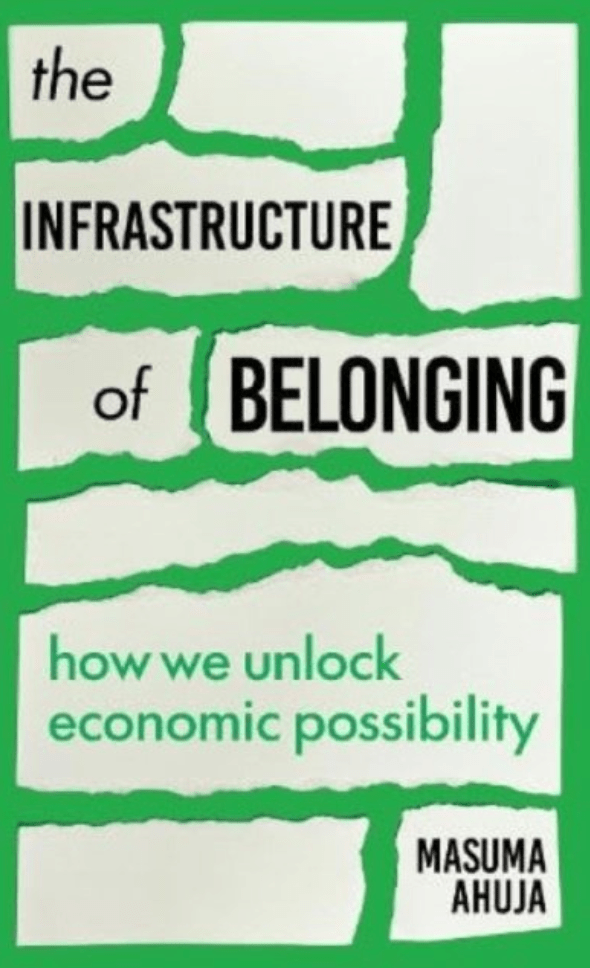
The Infrastructure of Belonging: How We Unlock Economic Possibility by Masuma Ahujais out on 22 October (Full Set, £10.99). You can buy it from the Big Issue shop on bookshop.org, which helps to support Big Issue and independent bookshops.
Do you have a story to tell or opinions to share about this? Get in touch and tell us more.
Change a vendor’s life.
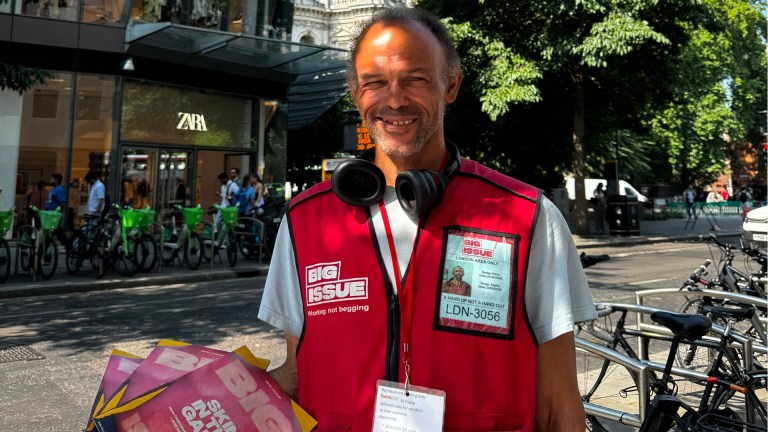
Buy from your local Big Issue vendor every week – and always take the magazine. It’s how vendors earn with dignity and move forward.
You can also support online:
Subscribe to the magazine or support our work with a monthly gift. Your support helps vendors earn, learn and thrive while strengthening our frontline services.
Thank you for standing with Big Issue vendors.
Advertising helps fund Big Issue’s mission to end poverty