Regardless of where the party goes with its policy, it is the latest iteration in a long-running idea: the idea that Brits can’t get a social home because immigrants get priority access.
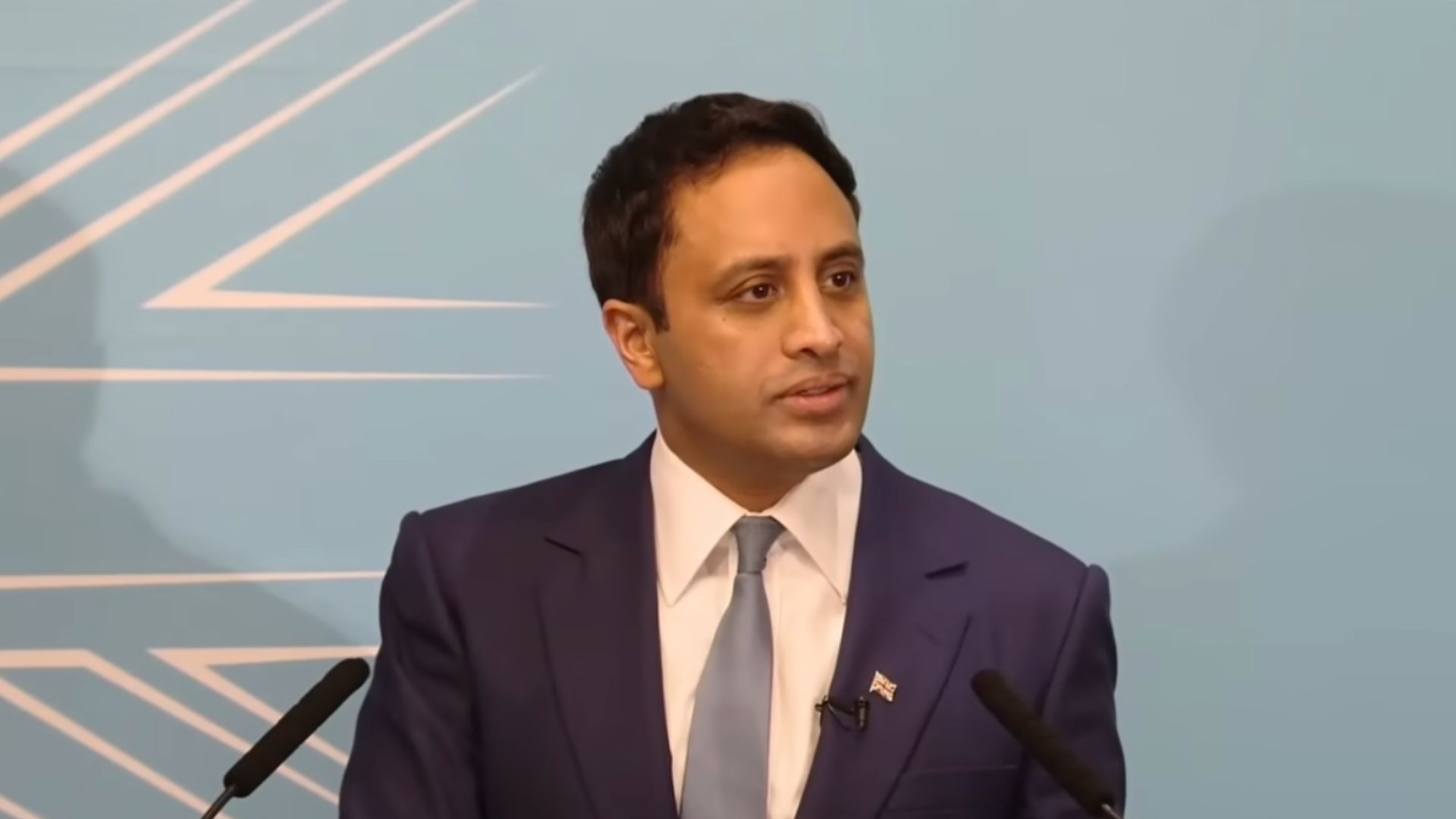
This claim has dogged British politics for a long time: back in 2024 the Tories floated the idea of so-called ‘British homes for British workers’. It recently cropped up in an article penned by home secretary Shabana Mahmood.
In a Guardian op-ed, the Labour politician claimed that low-skilled workers would “receive immediate access to welfare and social housing” if Labour did not make them wait longer to apply for settlement.
Alongside ending permanent refugee status and temporarily halting student visas from certain countries, the government is doubling the length of time required before many people can gain settlement rights from five to 10 years.
Failure to do so would “place yet more pressure on already stretched public services,” Mahmood wrote, and piling pressure on the country’s limited social housing stock.
So is there any truth in this claim?
Advertising helps fund Big Issue’s mission to end poverty
New migrants aren’t eligible for social housing except in very limited circumstances. Most people who come to the UK on visas to work or study have “no recourse to public funds” and can’t receive benefits or get help with their housing. Asylum seekers cannot apply for council housing at all.
To be fair, the home secretary’s claim relates specifically to people with settled status – previously a designation obtainable after five years’ continuous residence in the UK, now requiring a decade.
Read more:
It’s true that obtaining settled status makes migrants eligible for social housing, opening up a door that was previously shut. But eligibility doesn’t mean automatic access – those who have it must still satisfy a habitual residence test and clear the same eligibility hurdles as anyone else.
“The implication of Mahmood’s comments is that settled migrants will be given a council house fairly immediately,” said Jonathan Portes, professor of economics and public policy at King’s College London
“But people who get settled status just have the same access to social housing that I do or you do. So they have to meet a bunch of other conditions relating to our personal circumstances, income, family, etc. before they can even join the queue.”
Advertising helps fund Big Issue’s mission to end poverty
Most people who have working in the UK for five years exceed earning thresholds, Portes says: “The chances of them being eligible for social housing, let alone actually getting a council house, are quite low.”
Many councils also have “local connection” rules favouring long-standing residents. “Migrants generally have much less ‘right’ to a social home than people born in the UK,” says the Chartered Institute for Housing, “and often have far less chance of getting one even if they eventually become eligible.”
Supporting local connection rules is not “necessarily a xenophobic position” says Portes – the same rules apply for an “internally mobile Brit” who opted to move from Lancashire to London, for example.
But migrants taking homes is “just not a big problem or part of the housing crisis story”.
In 2021, 15% of people living in social housing were born outside the UK, figures from Migration Observatory show – slightly lower than the foreign-born share of the UK population overall.
Being born abroad is also not evidence that someone is not British. A report widely shared last year claimed 48% of London’s council homes are occupied by migrants, based on 2021 Census figures. But Reuters analysis found that 68% of those “foreign-born” lead tenants hold a British passport – and the figures don’t account for other household members, including children born in the UK.
Advertising helps fund Big Issue’s mission to end poverty
So, if not migrants, why are waiting lists so long? The answer is a lack of supply. So, if not migrants, why are waiting lists so long? The root cause is decades of failing to build social homes, accelerated by Right to Buy; more than two million council homes have been sold under the scheme since 1980. There are now 1.34 million households on social housing waiting lists in England.
Big Issue has previously reported on how housing-poor councils are losing millions buying back ‘yo-yo homes‘ they were forced to sell under Right to Buy just a few years earlier
At the request of Portes, the Guardian amended Mahmood’s claim. “Settlement status only gives people the eligibility to apply for welfare and social housing,” the correction reads. “It does not give them instant or automatic access to such benefits.”
Portes welcomed the change.
“If she had said that over the next ten years, based on previous figures, we might expect 1% of them [settled migrants] to move into social housing – that would have been okay. But that’s not what she said,” he added.
Do you have a story to tell or opinions to share about this? Get in touch and tell us more.
Advertising helps fund Big Issue’s mission to end poverty
Change a vendor’s life.
Buy from your local Big Issue vendor every week – and always take the magazine. It’s how vendors earn with dignity and how we fund our work to end poverty.
You can also support online with a vendor support kit or a magazine subscription. Thank you for standing with Big Issue vendors.