Advertising helps fund Big Issue’s mission to end poverty
Housing

No domestic abuse survivor miss out on a safe home because an abusive partner left them with debt

The impact of domestic abuse can leave survivors facing debt-related housing restrictions that leave them homeless. A new amendment to the Social Housing Bill is looking to change things, writes Baroness Polly Neate and Katherine Brickell

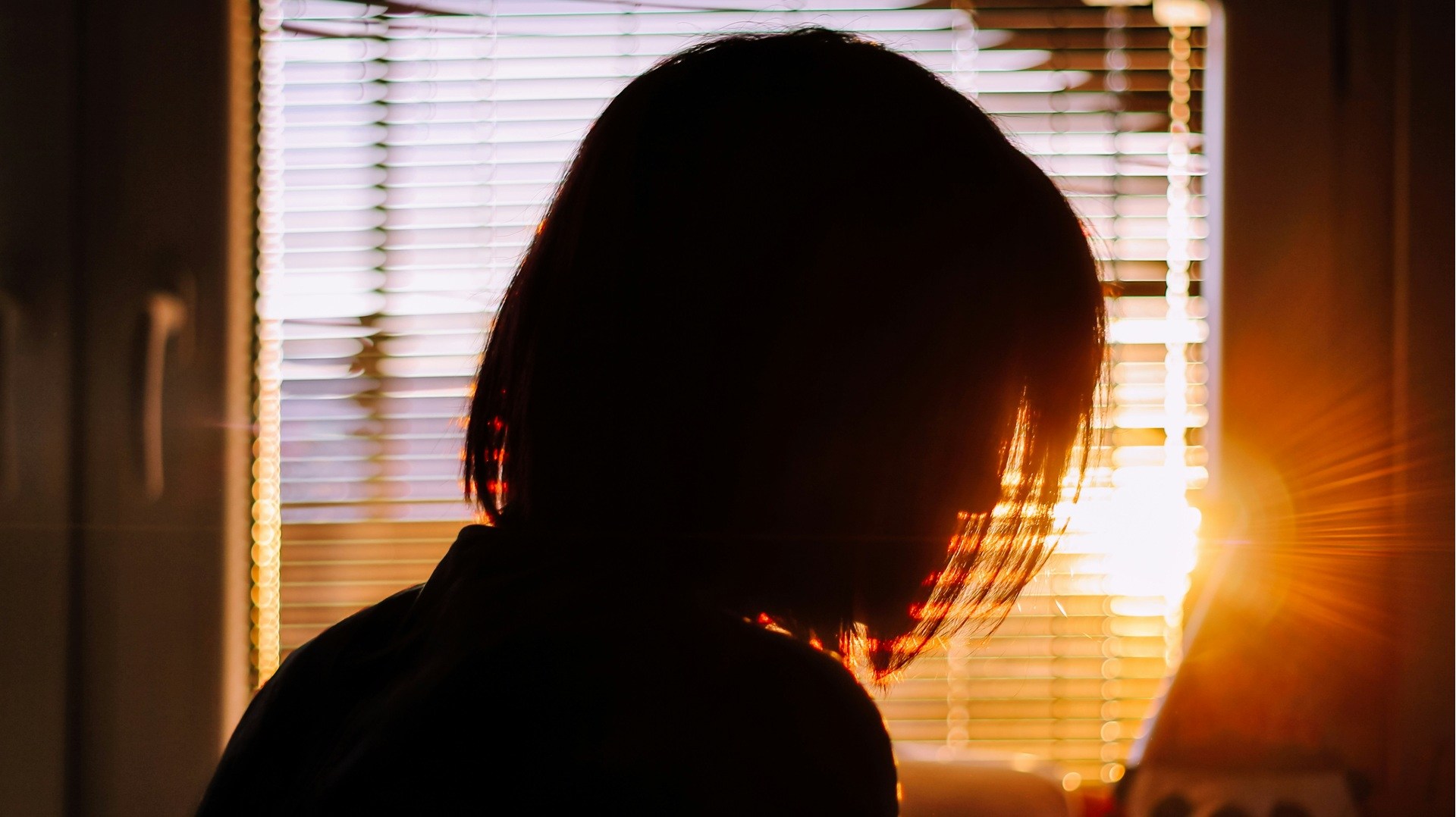
The silhouette of a woman in front of sun streaming through blinds

Abusers routinely control access to money, prevent employment, empty bank accounts, force partners into debt, withhold household finances, or leave survivors liable for rent arrears and other costs. Image: Kristijan Arsov / Unsplash

There is certainly an irony in the fact that domestic abuse survivors are still fighting for a safe home while many domestic abuse perpetrators are being released early from prison. In fact, there is a real and highly dangerous prospect of both being homeless in the same temporary accommodation. And it shows, yet again, that survivors are not top of the priority list – even when on paper, in the case of social housing, they are.

Recent weeks have raised uncomfortable questions about whether violence against women and girls currently commands the urgency and political care it needs to. The domestic abuse commissioner Dame Nicole Jacobs has warned that survivors are “looking over their shoulder and living in fear” because many domestic abuse perpetrators remain eligible for early release. She described it as “frankly shameful” that key safeguards were not demonstrably in place before the scheme began.

There is a fundamental issue that lies beneath concerns for survivors’ safety. Too many survivors continue to discover that escaping abuse is only the beginning of their struggle – one which governments, both national and local, can often exacerbate.

For example, having fled violence, coercion and control, many survivors find themselves trapped by debt accrued as part of the abuse. Economic abuse is now recognised as a form of domestic abuse. Abusers routinely control access to money, prevent employment, empty bank accounts, force partners into debt, withhold household finances, or leave survivors liable for rent arrears and other costs. Yet when women seek a stable home after leaving an abusive partner, housing systems often treat those debts as evidence of personal failure rather than evidence of abuse. The result is a cruel paradox. The very act of escaping abuse, which guidance says should put you at the top of the housing list, can make accessing housing harder. In fact, it can make you homeless – and this in turn makes escape a more perilous choice.

Read more:

Research from King’s College London first brought this issue to national attention, prompting the government to commit through its National Plan to End Homelessness to review debt-related rules in social housing allocations which are disqualifying survivors of domestic abuse from secure housing. During debate as part of the Social Housing Bill in June 2026, housing minister Matthew Pennycook gave Parliament a clear assurance that while the government preferred guidance as the primary route to reform, it retained the option of changing legislation if guidance proved insufficient.

Advertising helps fund Big Issue’s mission to end poverty

Yet parliament is now being asked to go further. Liberal Democrat MP Gideon Amos has tabled an amendment to the Social Housing Bill in November that would require local authorities to disregard housing-related and other priority debts accrued through domestic abuse when determining eligibility and priority for social housing. This amendment was first tabled by Baroness Polly Neate in the Lords, where it received the support of former prime minister Baroness Theresa May, renowned poverty expert Baroness Ruth Lister, and many others. Put simply, it would ensure that survivors are not denied access to social housing because of debts created by the abuse they have suffered. The amendment crystallises a question ministers can no longer avoid: is guidance enough? Government has argued that statutory guidance offers the best route to resolving the problem. But it is an open secret that it is often ignored by local authorities until legal challenge ensues.

Freedom of Information responses reported by the Chartered Institute of Housing reveal that most local authorities do not even know how many domestic abuse survivors are affected by debt-related housing restrictions within their own allocation systems. Only a small minority could provide any meaningful data. The government, therefore, lacks the evidence necessary to demonstrate that guidance alone is protecting survivors. What evidence does exist points firmly in the opposite direction.

Amos’s amendment provides parliament with an opportunity to establish in law a simple principle: no survivor should be excluded from a safe and secure home because an abusive partner left them with debt. Tackling violence against women and girls cannot be measured by strategies, speeches or awareness campaigns alone. It must be measured by whether survivors can access safety, stability and a permanent home. And it must be measured by whether, at a time when some perpetrators are being released early, survivors can live without fear, without precarity, and without being punished by the very systems designed to protect them. The Social Housing Bill offers the government the chance to prove that commitment. Ministers should take it.

Keep reading the journalism that powers our mission

Register free to continue and learn more about the stories, campaigns and the support we provide, helping people facing poverty across the UK.

Baroness Polly Neate CBE is a crossbench life peer in the House of Lords and former chief executive of Women’s Aid and Shelter

Katherine Brickell is Professor of Urban Studies at King’s College London and author of the book Debt Trap Nation: Family Homelessness in a Failing State (2025)


Do you have a story to tell or opinions to share about this? Get in touch and tell us more. 

Change a vendor’s life.

Buy from your local Big Issue vendor every week – and always take the magazine. It’s how vendors earn with dignity and move forward.

You can also support online:
Subscribe to the magazine or support our work with a monthly gift. Your support helps vendors earn, learn and thrive while strengthening our frontline services.

Thank you for standing with Big Issue vendors.

Advertising helps fund Big Issue’s mission to end poverty

Do you know how Big Issue 'really' works?

Watch this simple explanation.

Recommended for you

View all
Bristol Big Issue vendor Mike Turner: 'The shortage of housing in this city is a moral injustice'
Big Issue vendor Mike Turner
Housing

Bristol Big Issue vendor Mike Turner: 'The shortage of housing in this city is a moral injustice'

Rough sleeping in London is falling. But new stats show 'urgent action' is needed from Andy Burnham
Prime Minister Andy Burnham delivers a speech as he hosts a rough sleeping summit in 10 Downing Street
Housing

Rough sleeping in London is falling. But new stats show 'urgent action' is needed from Andy Burnham

How disused garages are being turned into affordable homes to tackle London's housing crisis
Designs demonstrating how Naked House turns disused garages into homes
Housing

How disused garages are being turned into affordable homes to tackle London's housing crisis

The government promised a brownfield housebuilding boom. What’s the hold up? 
Housing

The government promised a brownfield housebuilding boom. What’s the hold up?