Robocobra Quartet have made a five-hour album with 100 songs. Why have they done it?
What happens when you present 100 songs in one collection at once, running at five hours in total?
by: Chris W Ryan
13 Nov 2026
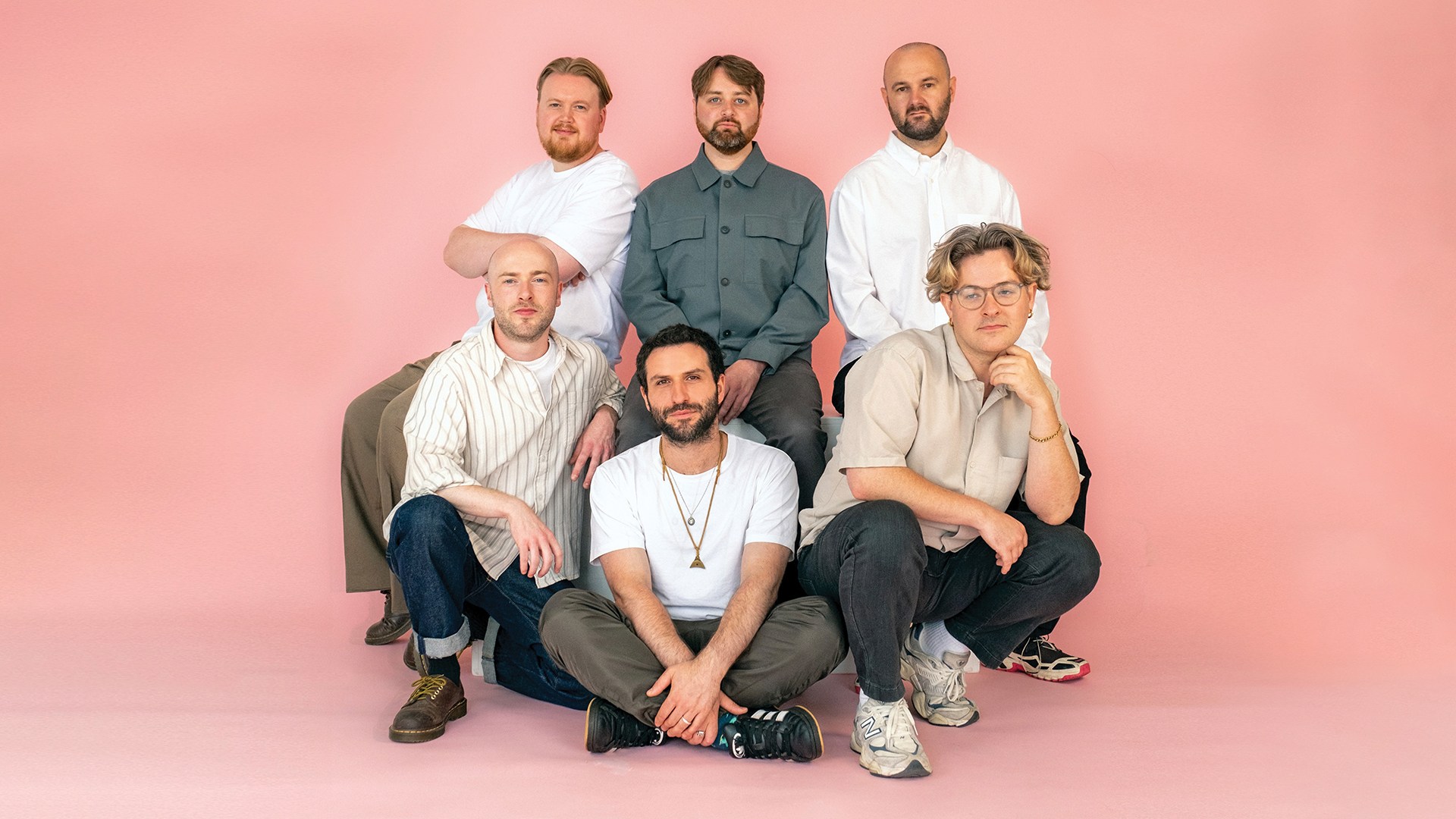
Robocobra Quartet featuring Chris Ryan (front right). Image: Niamh Barry
Share
Why make a 100-song album you ask? I suppose you could say it’s an unwise idea with the state of the attention economy. But if we as a culture think that our diminishing attention spans are a negative thing, then it is strange that we often find ourselves feeding into it and making music and art that reinforces the trend.
Not that Hundred Pieces was conceived as a way to slay any dragons. Truthfully, the purpose of the album was simply to conduct an experiment. It’s more of a hypothesis than a conclusion: what happens when you present 100 songs in one collection at once, running at five hours in total?
Do people laugh? Do they scoff at the audacity?
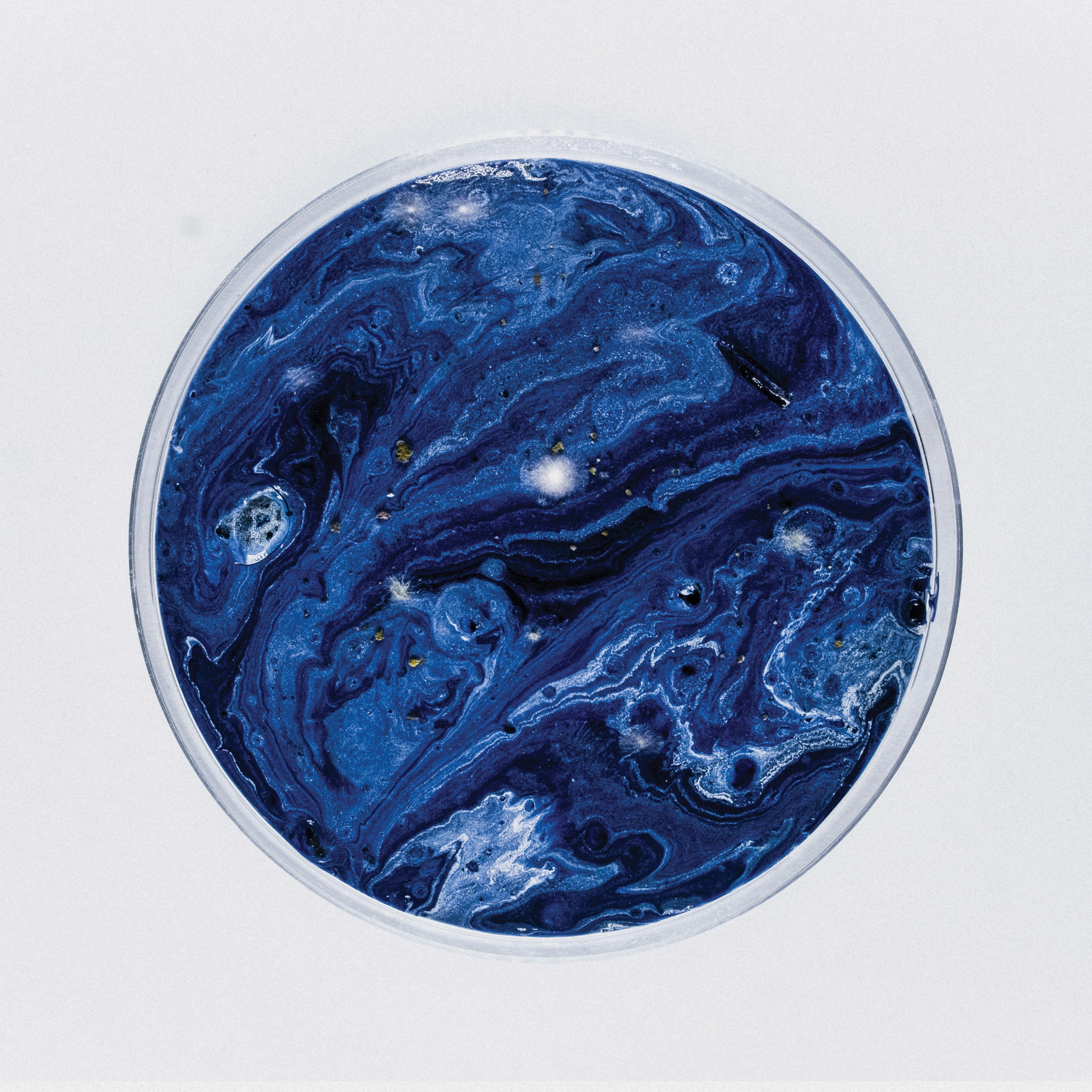
One of the petri dishes of mould. Image: Robocobra Quartet
I’ve been surprised how many people are taking it as a challenge. A reviewer recently proudly informed us that they have put a specific day aside to listen in full, wearing the task like a badge of honour.
Some people have said they have listened in chunks, making it bite size. I’m sure many others have skipped through, or jumped to the end. Or got distracted after a few songs… All answers are welcome. It’s a musical question mark, really.
The rough macro structure of the album is one of disintegration, as the record goes on the instrumentation and arrangements grow thinner. There was a lot of emphasis on writing miniatures that only have one or two instruments, slowly deconstructing the line-up of the band.
Advertising helps fund Big Issue’s mission to end poverty
Advertising helps fund Big Issue’s mission to end poverty
A suite that occurs later in the tracklisting is Duvet Music: a compositional idea to see how far music could still work if there was nothing but low-end bass frequencies and none of the mid or treble, which is where all the harmonics exist. It was inspired by the feeling of being outside a venue or club and hearing just the sub-bass echoing out onto a street.
From here the record atrophies into our take on ambient, named after journeys the band have made while on tour. In so many ways this album feels to me like a scrapbook.
Read more:
Keep reading the journalism that powers our mission
Register free to continue and learn more about the stories, campaigns and the support we provide, helping people facing poverty across the UK.
Beyond my life in Robocobra Quartet I produce records for other artists, and the topic of AI is often on people’s tongue. Big tech’s sales pitch is that it will increase efficiency and large-scale tasks, so when we found ourselves making this sizeable work it seemed to make sense to draw a line in the sand and state that this project was the result of humans.
Image: Robocobra Quartet
Beyond that, the process itself was full of joy and satisfaction. It wouldn’t have resulted in anything positive by outsourcing the creation of this album.
Plus, it seems that AI is only good at following trends, which to me is antithetical to art-making. New ideas are where the excitement and motivation is for me. It’s the reason for continuing to create.
Inspiration comes in other forms too. A guiding light for this album was the work of Marina Abramović and her memoir Walk Through Walls, an exploration in the process of her endurance art.
There’s something satisfying about conceiving of a performance and then letting it take its course; allowing the cards to fall as they may.
Image: Robocobra Quartet
Once we had our 100-song framework for the album, it triggered an almost flow-state of creation for months on end. We found ourselves relinquishing control, in favour of chance and happenstance. This obsession with chance is also where the petri dish album artwork came about.
Our saxophonist Thibault [Barillon] began growing petri dishes of mould, fed by different types of organic matter to create unique growths and patterns that ended up being quite beautiful.
These were then photographed at different stages throughout their lifespans, making visual accompaniments for the music.
We found ourselves drawn to the parallels of these petri dishes and music happening in tandem, both designed with intention but then allowed to live lives of their own outside of our control, and also coming to an end.